

With over 35 years’ experience as a former professional sportsman, coach, mentor and youth advocate, my background spans professional boxing, semi-professional soccer, coaching internationally, education, alternative learning and youth justice. Retiring from professional boxing in 1997, I developed the BoxWize Skills System, delivering youth programmes, guest speaking and stress management presentations.
From 2004–2013, I worked with Hull Youth Justice Service in the UK, helping prevent reoffending and obtaining a Safeguarding Children System Certificate in 2011.
Moving to Edmonton in 2014, I continued supporting children, youth, families and hockey players through YESS, schools and community projects, focusing on emotional awareness, stress management and personal development.
In 2018, I founded EnergyWize University of Life. I later became a self-published author and, in 2022, co-founded and volunteered with the Empower 2 Recover Foundation, supporting mental health, addiction prevention and recovery through more than 35 events across Canada, featuring over 300 speakers sharing their lived experiences. My work has involved collaboration with professional athletes, educators, community organizations and local and national media across the UK and Canada.
Awareness • Knowledge • Inspiration • Empowerment
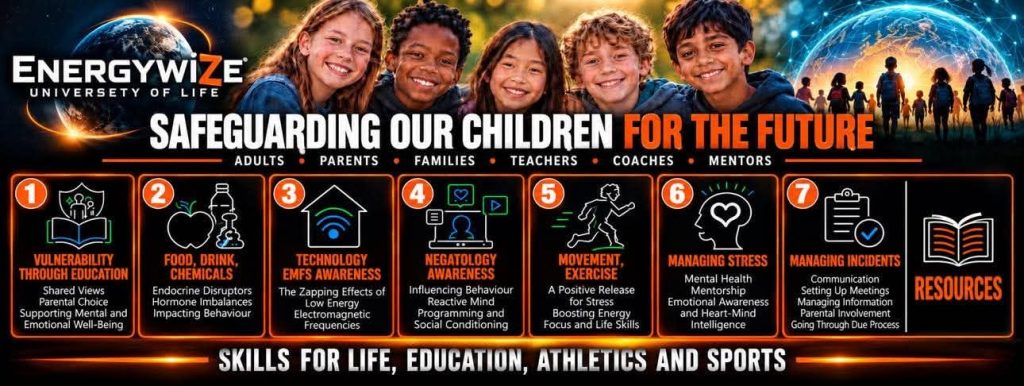
Our children are our future, and safeguarding their physical, mental and emotional wellbeing is a shared responsibility. When entrusting our children to teachers, coaches, mentors, schools, sporting organisations and community programmes, we must look beyond education and performance alone. At EnergyWize University of Life, we promote a proactive, whole-child approach through seven key areas, encouraging adults, parents, families, teachers, coaches and mentors to work together to create safer, healthier and more supportive environments. Raising awareness through my experience and work, working with professionals in the field of safeguarding children, we are now in the process of developing safeguarding protocols to support, inspire and empower our children for the future.
OUR SEVEN KEY AREAS
1. Vulnerability Through Education Promoting shared understanding, parental choice, awareness and support for children’s mental and emotional wellbeing.
2. Food, Drink & Chemicals Raising awareness of nutrition, everyday chemical exposures and endocrine disruptors, including their potential influence on health, development and wellbeing.
3. Technology – EMFs Awareness Encouraging informed awareness of electromagnetic fields, responsible technology use and healthy digital habits.
4. Inspire-Tology VS Nega-Tology: Awareness Understanding how negative influences, media, social conditioning and digital environments can shape thoughts, emotions and behaviour.
5. Movement & Exercise Using fitness, athletics and sports as positive outlets for stress, building confidence, discipline, energy, focus and essential life skills.
6. Managing Stress Supporting mental health through emotional awareness, positive relationships, mentorship and heart–mind intelligence.
7. Managing Incidents Promoting accountability, clear communication, incident reporting, parental involvement, appropriate procedures and due process to safeguard everyone involved.
RESOURCES – KNOWLEDGE INTO ACTION
Providing educational information, practical tools, guidance and resources to empower parents, families, educators, coaches and mentors to make informed decisions and support children’s wellbeing. Our Mission: To inspire awareness, encourage shared responsibility and empower our children and young people with the skills, knowledge and support to thrive.
SKILLS FOR LIFE, EDUCATION, ATHLETICS AND SPORTS
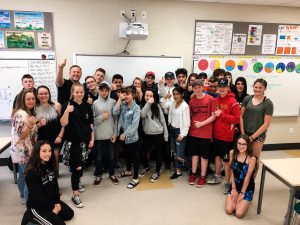
Safeguarding Our Children For The Future
Raising awareness through my experience and work, working with professionals in the field of safeguarding children, we are now in the process of developing safeguarding protocols to support, inspire and empower our children for the future.
– Providing Stress Management and Mental Health Mentorship. Inspiring and empowering our children and youth through the development of emotional awareness and heart-mind intelligence, proactive in combating the potential mental health challenges and addiction.
– Raising Awareness – The Negative Impact of EMF’s, Low Energy Electromagnetic Frequencies: The negative impact of EMF’s from 5G Cell Towers, cell phones, devices and Wifi within schools. Negatively impacting the nervous system, causing anxiety, agitation, the development of poor concentration, attention span, brain function and more.
– Raising Awareness – The Negative Influence Of Reactive Programming and Social Conditioning: The negative influence of reactive programming and social conditioning through video gaming, social media channels and movies glorifying alcohol, drugs, crime and violence. Influencing mental health and negative behaviour within schools and society.
– Raising Awareness – The Influence Of Learning and Control Through Education: The parental awareness, control and guidance over the influence of learning and social conditioning through ideologies within the education system. Preventing emotional confusion and dysfunctional behaviours, supporting young people through their most important years of learning.
– Supporting Parents and Children – Incident Management, Safeguarding Children Through The Process: Taking the correct steps, providing a Safeguarding Children Protocol for incident/s management and behavioural intervention. Information sharing and family engagement, safeguarding children through the process.
 Sign Up and Join The EnergyWize Revolution, Raising Your Energy, Frequency & Vibration. Check Out Carl's Inspiring Books, The A-R-T Skills System, The Online StressWize Guide, Social Media & Shop Coming In 2025.